

I write this on January 9th, 2025, as LA is being ravaged by wildfires. Being in northern California, I’m no stranger to how scary it can be to not know if you’re safe, if you will lose your home, or be in harms way yourself. I have spent the last few days texting friends, family, and doomscrolling social media, learning about devastating after devastating news.
My heart goes out especially to all the children who have lost their homes, their schools, and their communities. It’s particularly challenging to to talk to kids about tragedies and help them make sense of it all–whether it’s a natural disaster, school shooting, or an unexpected death or loss. Parents, teachers, and friends want to have the “right” words, but they don’t come easily because adults are also in crisis. That’s why I’ve put together this quick downloadable resource, “How to Talk to Kids about Hard Things” (PDF available in English and Spanish) if it is helpful for you and those you care about in the LA area.
Here’s a few other resources that I have found to be helpful:
- California Disaster Help Center
- Supporting Children After Natural Disasters (PDF from National Association of School Psychologists)
- Where to donate to help people affected by the wildfires
Free Resource to Thrive in 2025
January’s Thrive Archive post was going to be all about how to keep New Years Resolutions, especially ones for educators who are vowing that this is the year that they will take care of themselves–healthy eating, working out, connecting with others–all the habits that build up our emotional resources for supporting our students day in and out in challenging times.
Initially, I felt weird to go deep on the science of microhabits in this edition, but it’s dawning on me that building resilience through microhabits might be exactly what we all need, not just in times of big crises, but on a regular work days too.
Building up our coping skills reserves in times of calm gives us resources to pull from in times of crisis.
So let’s do it. What are Microhabits? As the name suggests, microhabits are “too small to fail” behaviors that you can do to move toward a larger goal. It’s the tiniest slice of a positive habit that doesn’t feel too overwhelming, but can give you a “quick win” and ongoing momentum to not give up when your old, well-worn habits sneak back in.
At Thriving Students Collective, we’re dedicated to supporting teacher and educator wellness not by adding more on their already busy plates, but by providing micro-resources such as our How to Reverse Educator Burnout course, which teaches 10 neuroscience-backed burnout prevention practices for wellness.
With each research based practice, teachers get small steps they can do for themselves and with their students to reach the larger goal of finding more joy and ease in the classroom.
FREE Microhabits Resources for Educators
In our Thriving Educator and Thriving School Psychologist communities, we recently hosted a “Live in the Thrive Hive” workshop to set our goals and planned out microhabits for the year using our “Thrive in 2025” calendar (and based on my new book, Small Habits Create Big Changes).
To give back to the dedicated educators, administrators, and mental health providers holding it down for our students every day in our schools and districts, we’ve decided to open up the workshop series for ANY educator…for FREE!
And to keep it accessible to everyone, it’s a no book required book club–you can literally just show up at any (or all!) of our four Microhabits to Thrive workshops. We are hosting them quarterly so we can keep our New Years wellness resolutions going strong all year long!
Sign up here for the series, which includes a free Thrive in 2025 calendar to download!
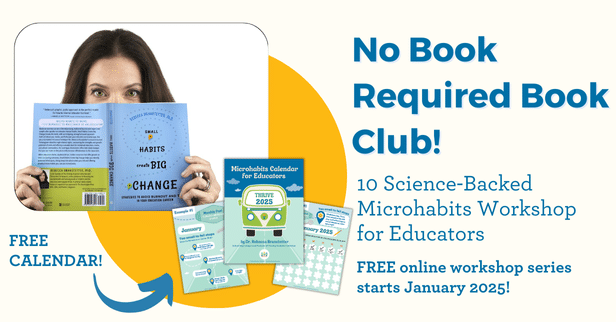
Sign up now and attend any of the 4 free workshops throughout the year! Our first one is January 22nd, 2025! No book, no prep needed, just bring yourself!
You + Me…in 3D?
I love the scalability and awesomeness of zoom and online platforms, but there is something so special about seeing fellow educators in 3D! Quick shout out to Books Inc. in the San Francisco Bay Area for hosting my first book event of the year to have an evening of discussion about burnout prevention for educators.
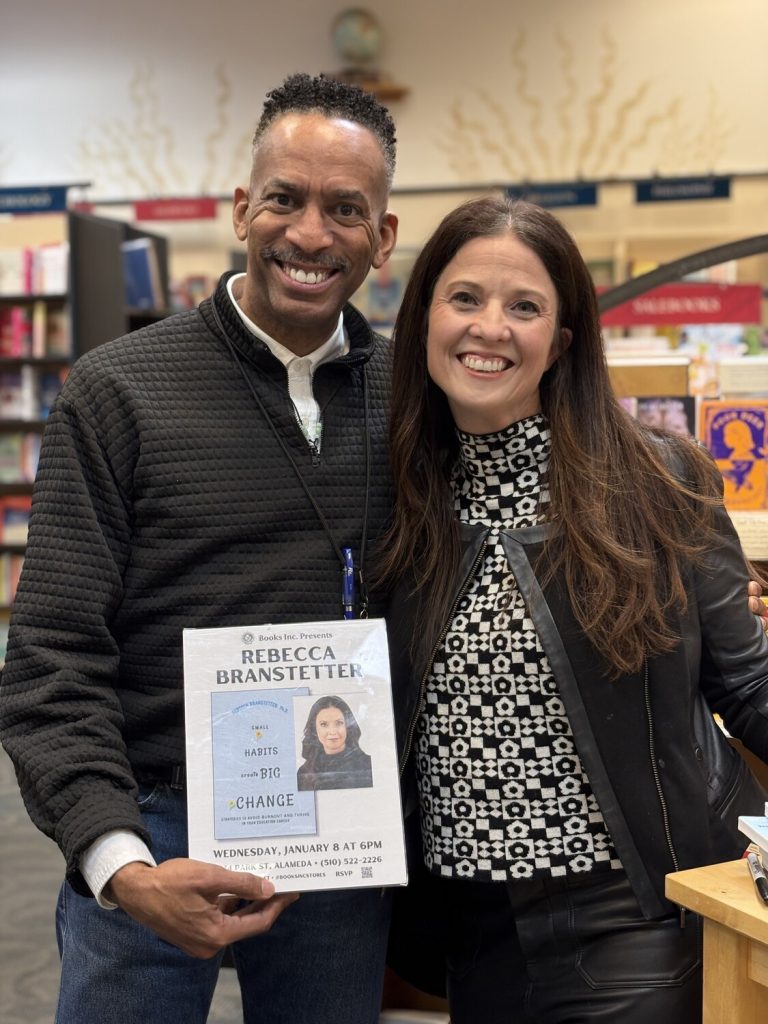
If you’re in the Bay Area, mark your calendar for our next book talk and signing event at the Barnes & Noble in Walnut Creek, CA on Sunday, February 9th from 2-4pm!
And If you’re an Association of California School Administrators member, there’s two chances for us to connect this month in person!
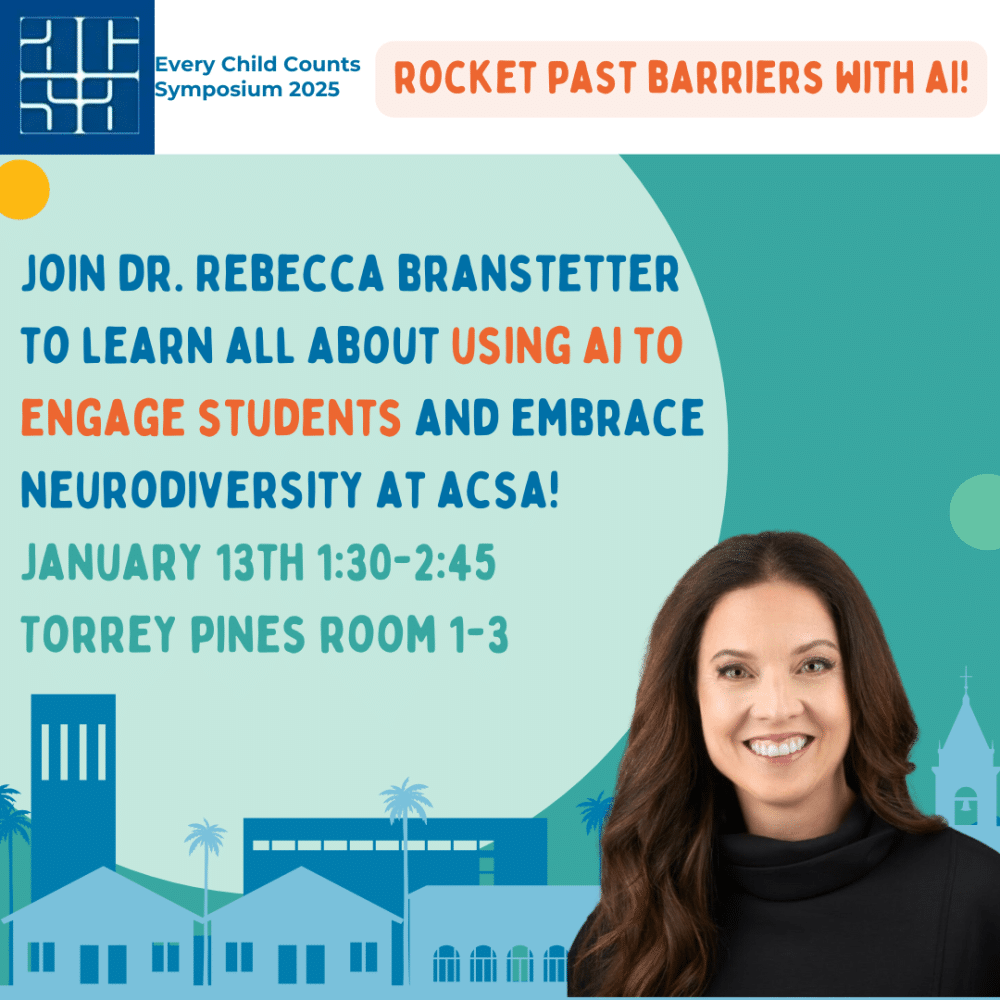
I’ll be presenting at the ACSA Every Child Counts Symposium on Monday, January 13th at 1:30pm on how to leverage AI to engage and support students with disabilities.
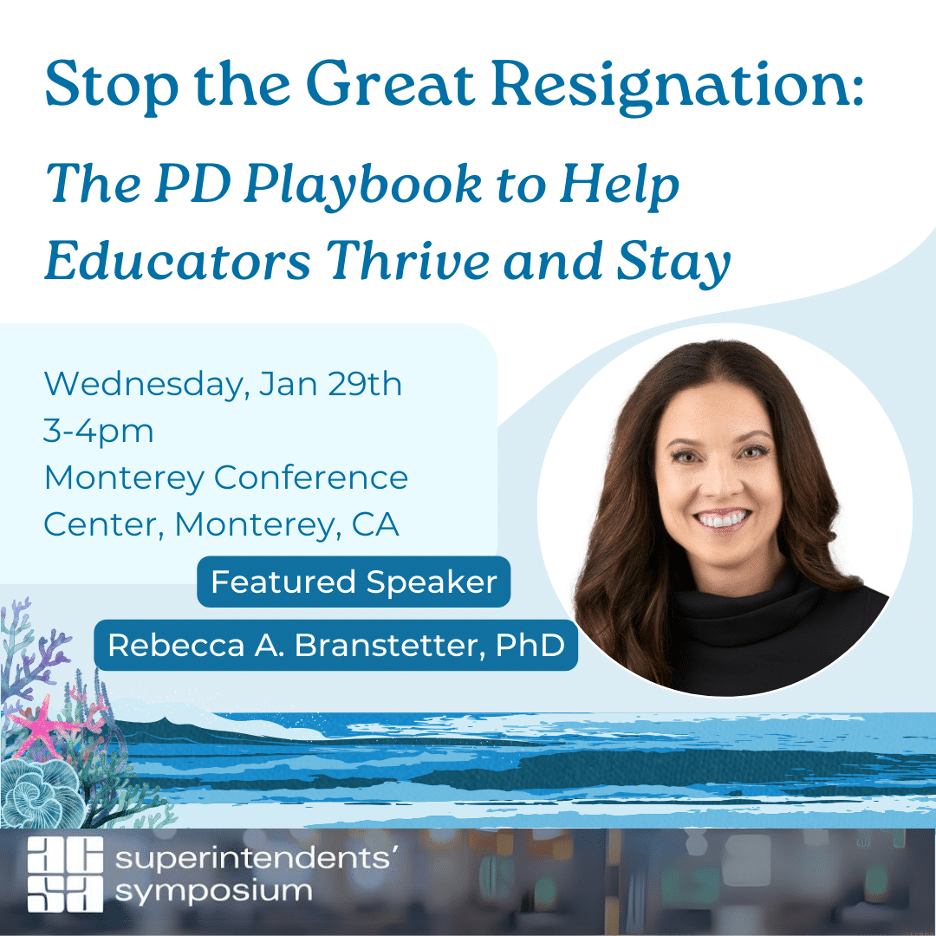
And if you’re headed to the ASCA Superintendents Symposium in Monterey, CA from January 29-31st, come check out our talk on how to create Thriving Professional Development to address the teacher burnout and retention crisis. We’ll be sharing the 3 keys to thriving PD and showcasing the voices of district leaders in California who have revolutionized PD in their schools!
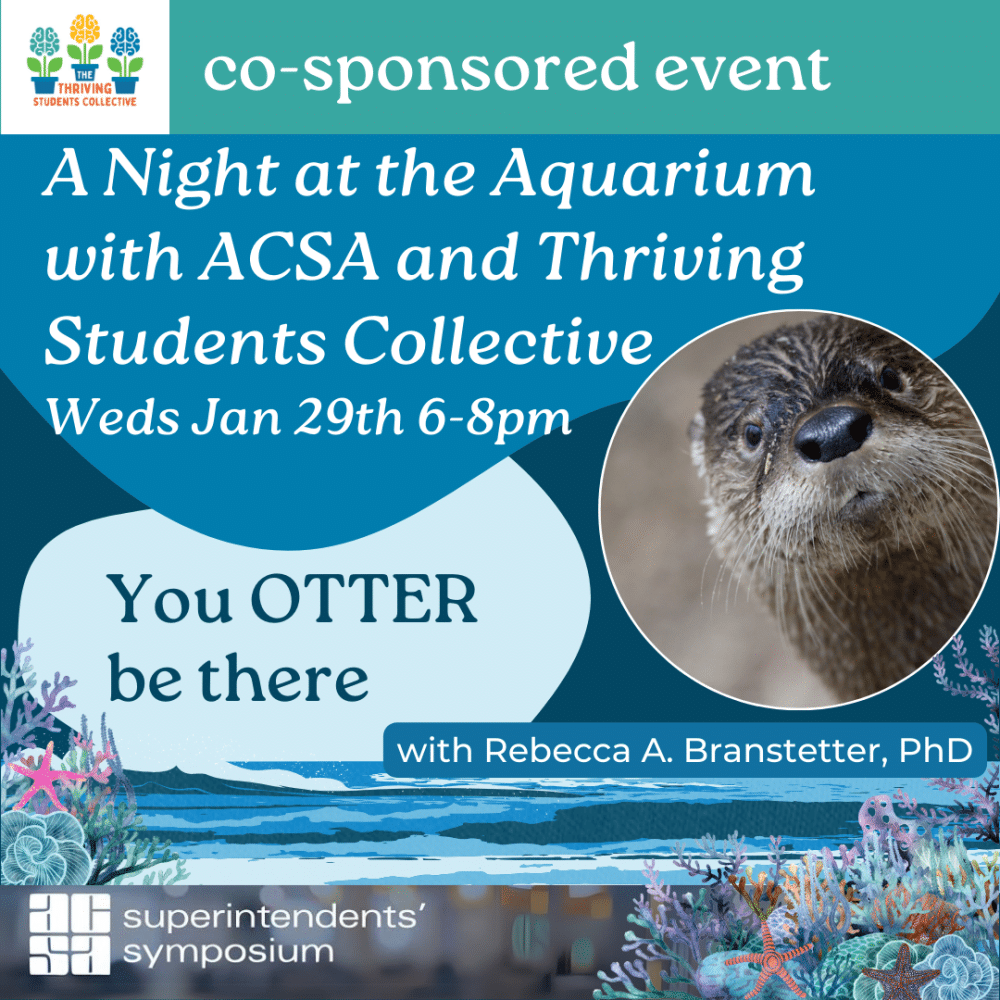
Also, my organization, Thriving Students Collective is co-sponsoring a special night at the Monterrey Aquarium on the evening of January 29th at the Superintendent’s Symposium!
Tik Tok of the Month
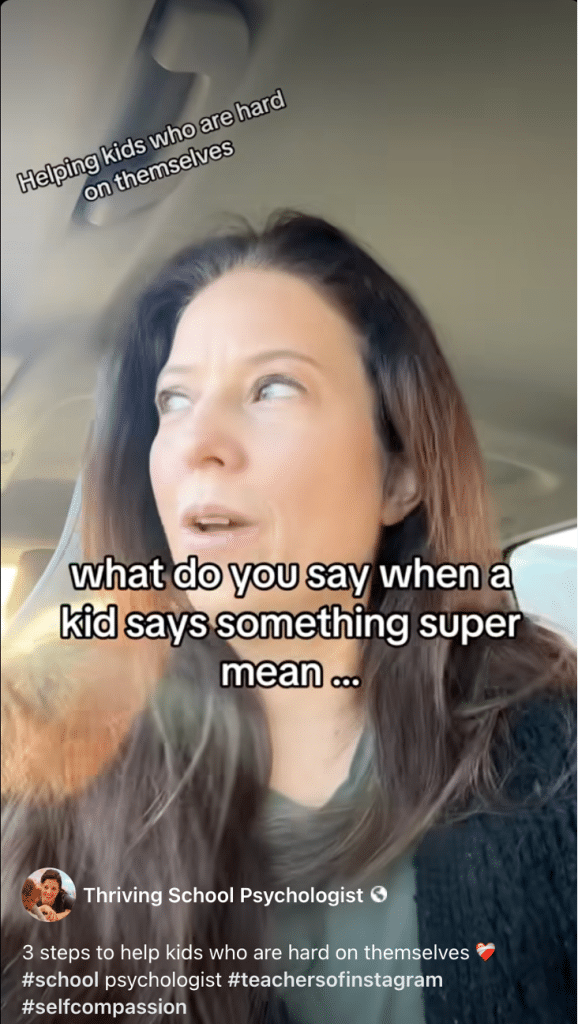
Social media is wild, people. A recent video got one comment on TikTok and hundreds on Reels. The comments were fascinating, mostly because I didn’t think the topic was controversial at all, but some folks begged to differ!
It’s worth a peek-see on this video I created about how to help students who are hard on themselves…and how people feel about feelings!
🧡 My heart goes out to everyone in LA….and see you in February for the next Thrive Archive digest!
If you’re interested in being a part of the Thriving Students Collective community and would like more information about how to bring the Thriving Students Platform to your school or district, CLICK HERE to connect with us.
Want more K12 News You Can Use? Subscribe here!
***
Dr. Rebecca Branstetter is a school psychologist and founder of The Thriving Students Collective, which provides professional development, engaging online courses, and a supportive online community that prioritizes whole-school wellness and equips educators and parents with practical tools to empower every learner’s success. She also has a TikTok account all about burnout prevention in K12 that her middle school daughter has endorsed as “Cringe, but good dancing.”